Spotlighting Nature-based Approaches to Coastal Planning
By: Rebecca Shoer


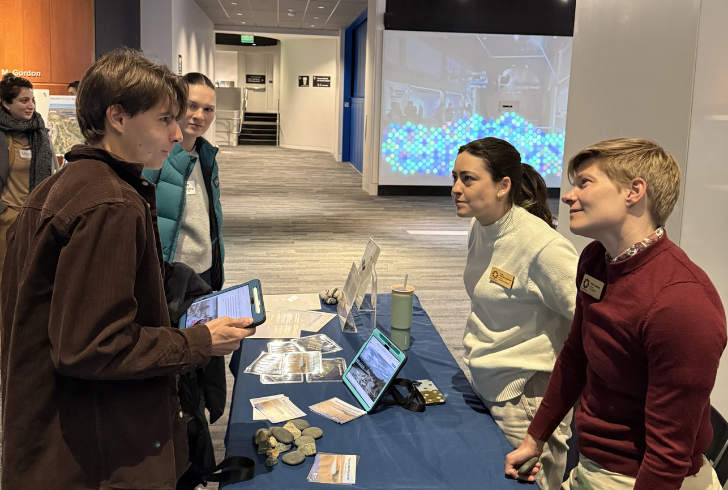
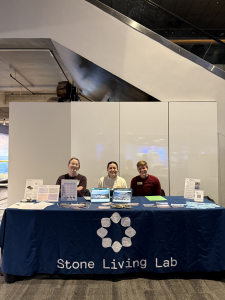
The Stone Living Lab (SLL) joined fellow community groups, students, and municipal staff at the Museum of Science (MOS) for an interactive program focused on coastal planning and decision making. Hosted by MOS and The Nature Conservancy, participants explored all kinds of coastal resilience research and initiatives already happening in the Boston area, including SLL’s work on cobble berms. Many of the participants were undergraduates or graduate students from nearby universities, and Lab staff shared not just our research work, but also our individual career paths and journeys into coastal resilience work.
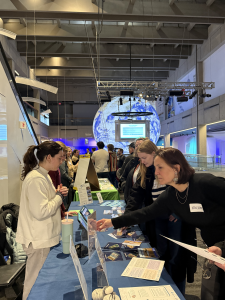

After tabling, everyone joined in to participate in the interactive simulation game! Each small group, led by a facilitator, transformed into a fictional coastal town. Each group member took on the role of a local resident, be it a small business owner, a single parent, a school principal, local doctor, etc. Faced with rising seas and threats of erosion, each group developed a coastal adaptation plan using limited town resources.
The exercise highlighted the many different voices, concerns, and considerations that towns take into account when facing the growing challenge of sea level rise and other climate change threats. There was striking variation between the final plans of the different groups, reminding folks that there is no single “right” path towards resilience.
It was wonderful to see how many students, both undergraduate and graduate, joined this event simply because it looked interesting! I also had someone in my group from the insurance field, who brought a novel (to me) perspective about how the simulation did not account for rising home insurance costs.
This event was well facilitated, a critical piece for encouraging conversation around a very emotional topic. It was really clear how thoughtfully all the resources had been designed, including the fact that it centered around a fictional town. My hope is that these kinds of resources can make their way out of the self-selected audience and into the general public, so folks can get comfortable with the topics and having these kinds of conversations!