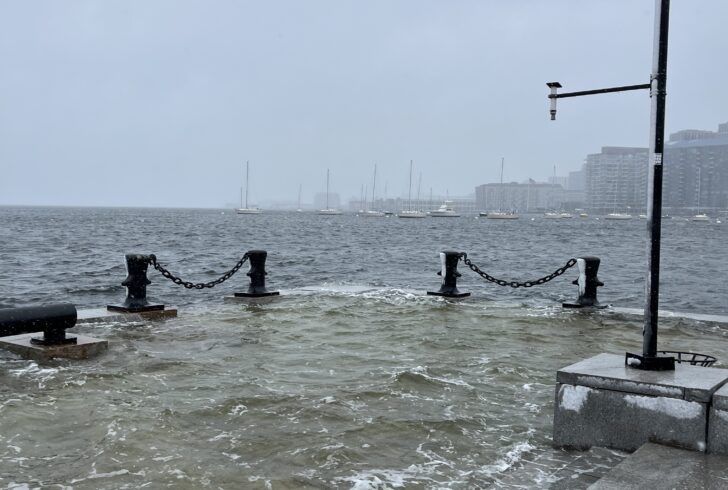
Real-Time Monitoring Field Observations: A Fall Nor’easter
Read about observations from the Lab's Real-time Monitoring Network during this most recent early fall Nor'easter.
Read about observations from the Lab's Real-time Monitoring Network during this most recent early fall Nor'easter.

Submit your proposal by November 30.
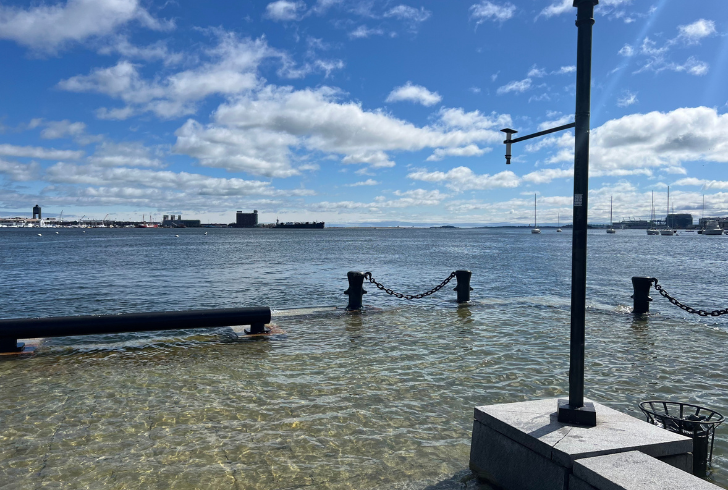
10 new flood sensors, 2 new offshore wave buoys expand the Lab’s Real-Time Monitoring Network’s climate data collection.

Professor Farshid Vahedifard and members of his research group from Tufts University joined the Stone Living Lab for a meeting where both labs shared previous and current research projects.

Due to Perigean Spring Tides and an offshore storm, overland flooding was observed at Tenean Beach in Dorchester. Read about what the Lab's Climate Change Observatory sensors picked up during these weather events!

Researchers from MIT's Self-Assembly Lab and Nepf Lab shared their work with the Stone Living Lab in an afternoon of research exchange, providing insights on how Living Seawalls panels could help reduce wave overtopping, and more.
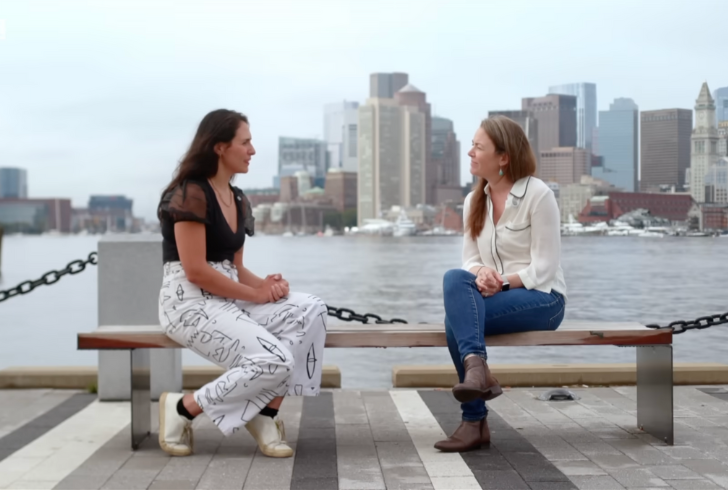
The Stone Living Lab’s Real-time Monitoring Network, which includes Hohonu overland flood sensors installed throughout Boston Harbor and the Boston Harbor Islands, was featured by BBC News.
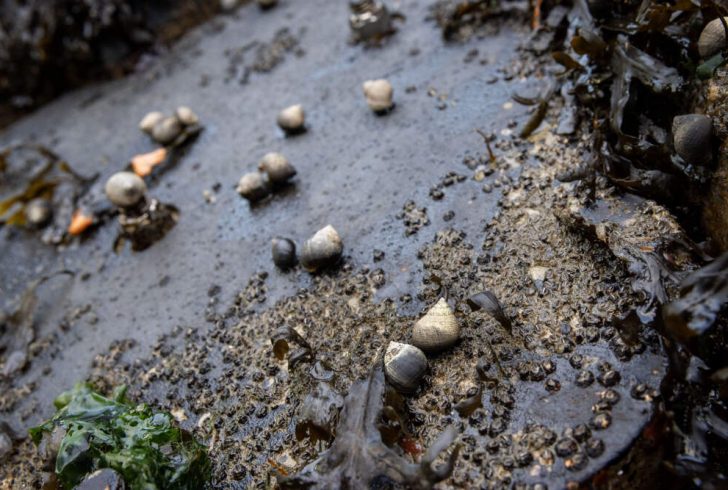
For the past year, scientists with the Stone Living Lab at UMass have been watching sea creatures take over a previously flat, concrete wall.
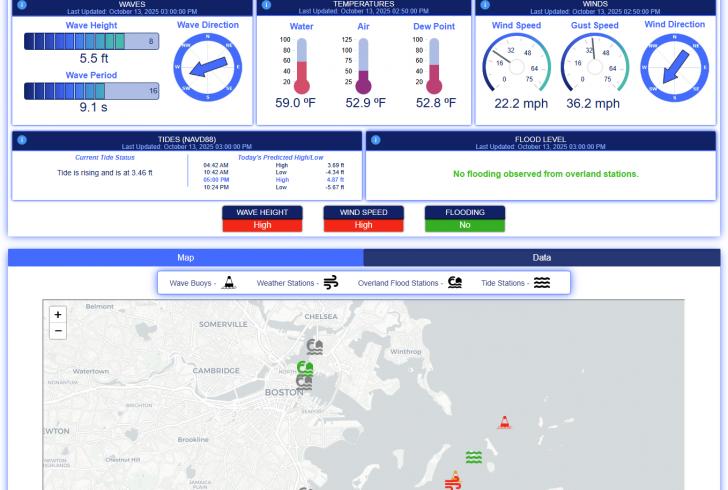
During the most recent Nor'Easter our team at the Stone Living Lab was busy gathering and analyzing data via instrumentation we've deployed as part of our Climate Change Observatory.