
Funding Opportunity with Cathleen Stone Island Outward Bound School
Cathleen Stone Island Outward Bound School and Stone Living Lab invited proposals for curriculum development on Cathleen Stone Island!
Cathleen Stone Island Outward Bound School and Stone Living Lab invited proposals for curriculum development on Cathleen Stone Island!
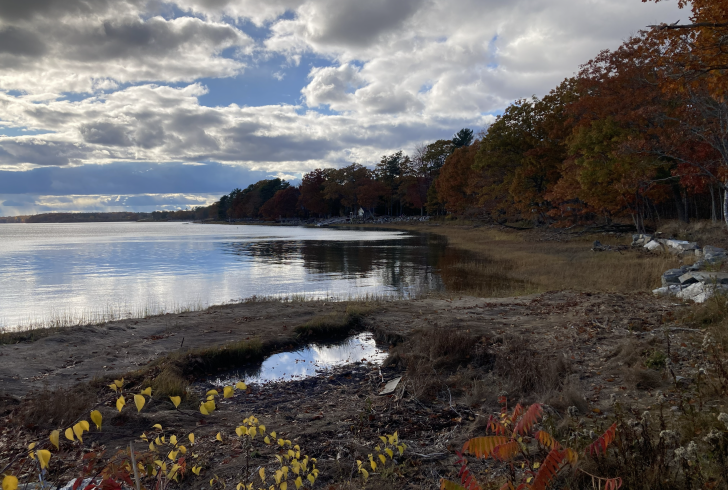
This past October, we joined the NEOSEC Ocean Literacy Summit, celebrating 20 years of ocean literacy!
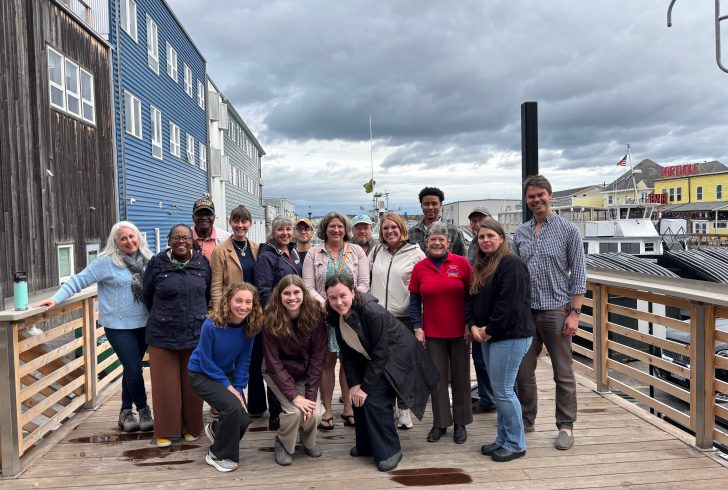
Stone Living Lab Co-Directors Katie Dafforn and Joe Christo presented to members of the National Caucus of Environmental Legislators on two occasions recently.
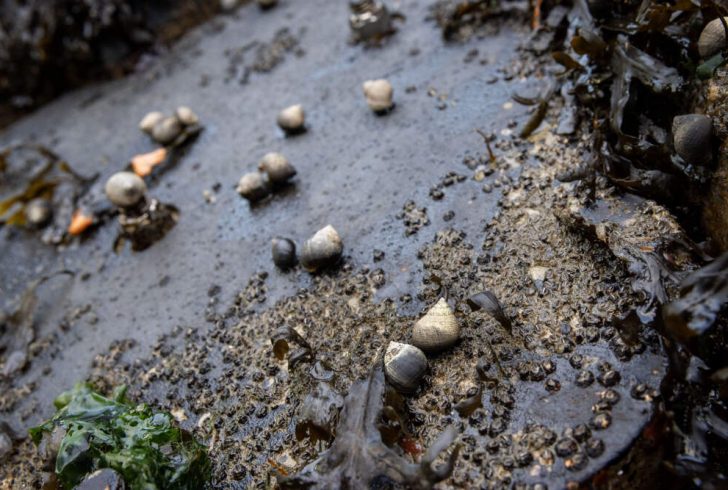
For the past year, scientists with the Stone Living Lab at UMass have been watching sea creatures take over a previously flat, concrete wall.
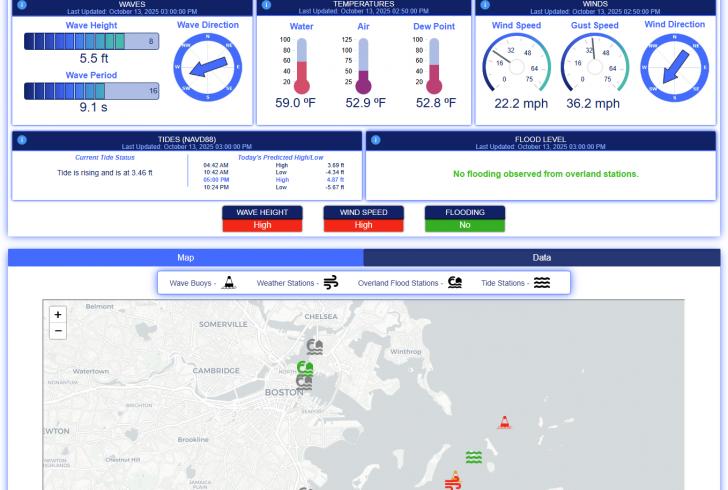
During the most recent Nor'Easter our team at the Stone Living Lab was busy gathering and analyzing data via instrumentation we've deployed as part of our Climate Change Observatory.
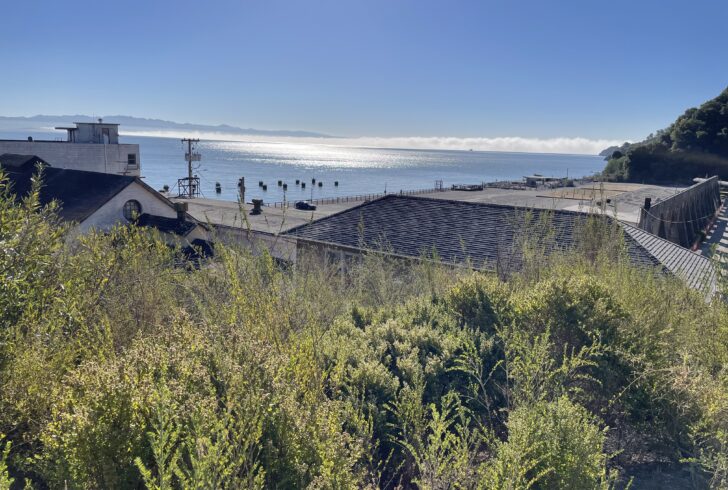
The Stone Living Lab's Co-Director Katie Dafforn presents to the Living Seawalls workshop in San Francisco.
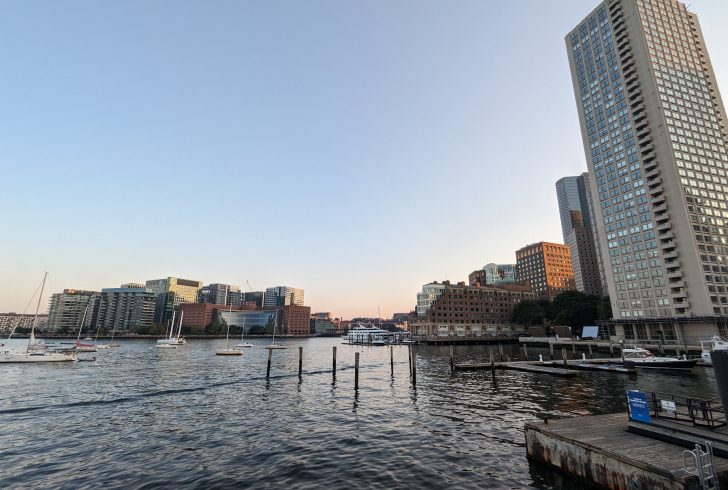
With several “king tides” in the near-term forecast, the Stone Foundation is donating $10 million over the next five years to help a local lab expand its work on nature-based methods of adapting places like Boston Harbor to flooding from climate change.
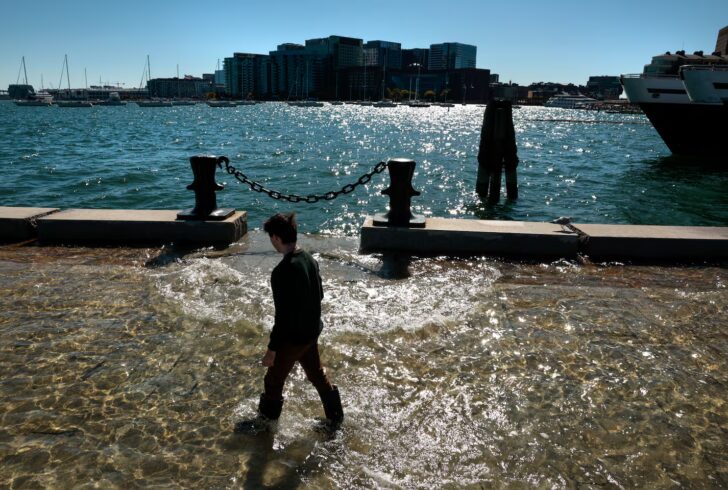
The tides are scientifically known as perigean spring tides and are caused by a combination of the moon’s orbit and phases.
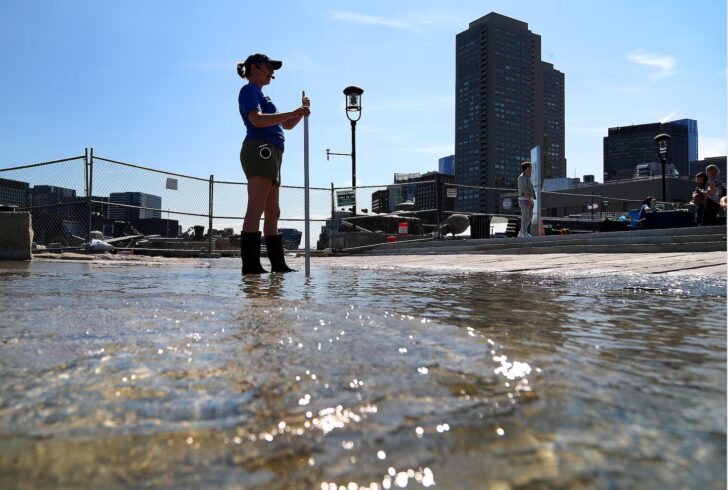
Experts warn Boston’s king tides offer a glimpse of future flooding in a warming world