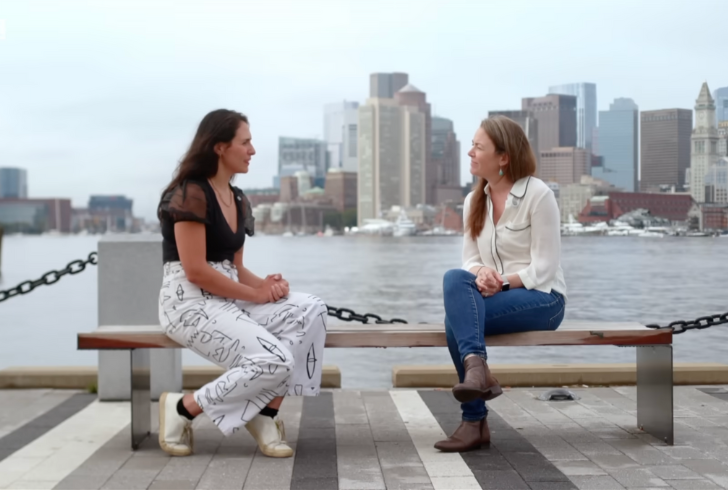
How technology could help predict flooding | BBC News
The Stone Living Lab’s Real-time Monitoring Network, which includes Hohonu overland flood sensors installed throughout Boston Harbor and the Boston Harbor Islands, was featured by BBC News.
2026 was another busy summer for the Stone Living Lab Education Team! From invasive species monitoring to our Summer Teachers Institute, read on to hear how we spent our time across Boston Harbor and beyond!
The Stone Living Lab’s Real-time Monitoring Network, which includes Hohonu overland flood sensors installed throughout Boston Harbor and the Boston Harbor Islands, was featured by BBC News.

The Education Team has new resources to spark curiosity and conversation!

Cathleen Stone Island Outward Bound School and Stone Living Lab invited proposals for curriculum development on Cathleen Stone Island!
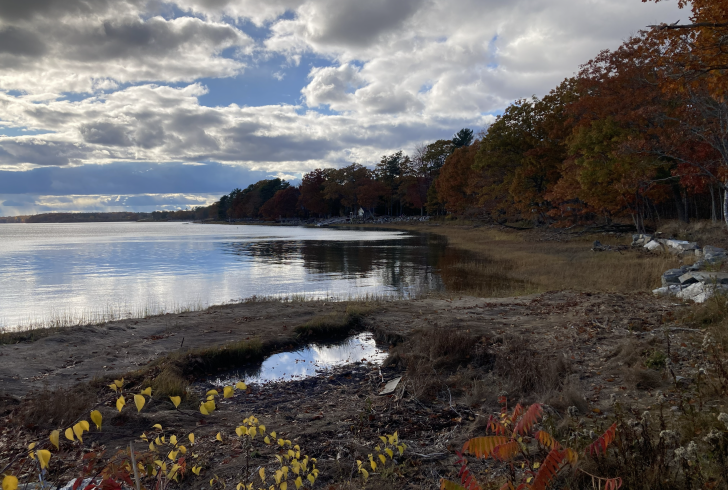
This past October, we joined the NEOSEC Ocean Literacy Summit, celebrating 20 years of ocean literacy!
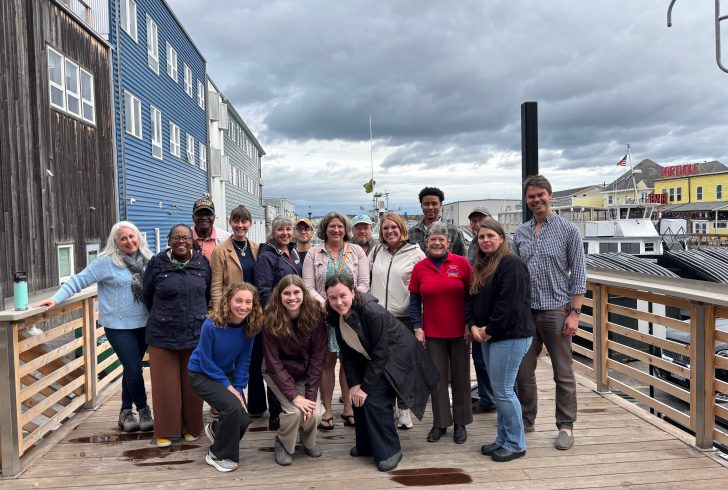
Stone Living Lab Co-Directors Katie Dafforn and Joe Christo presented to members of the National Caucus of Environmental Legislators on two occasions recently.
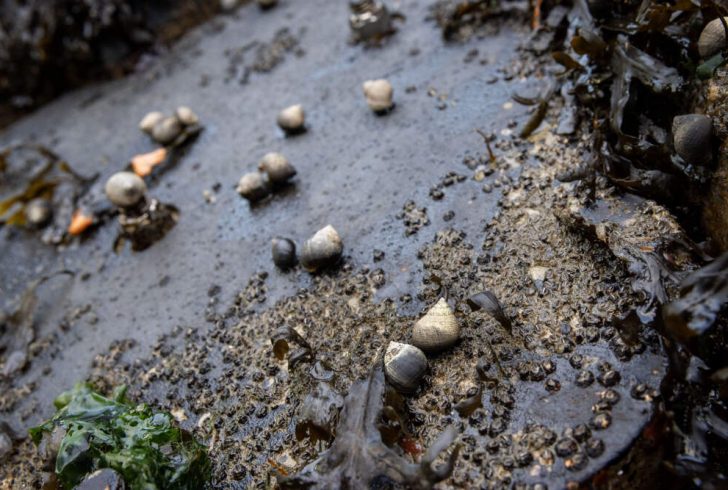
For the past year, scientists with the Stone Living Lab at UMass have been watching sea creatures take over a previously flat, concrete wall.
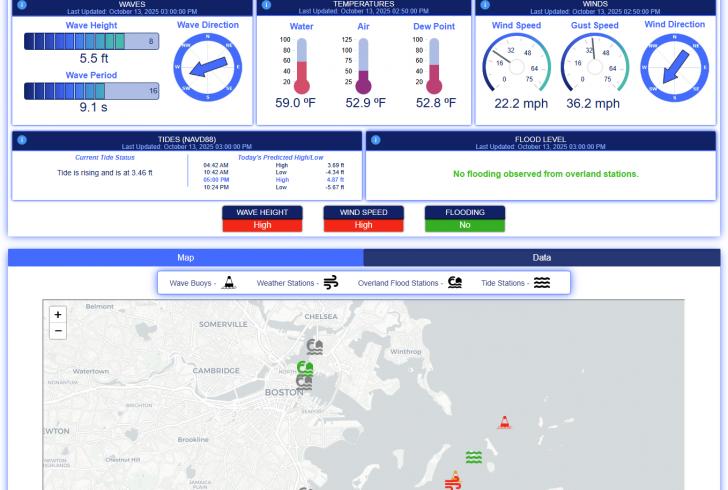
During the most recent Nor'Easter our team at the Stone Living Lab was busy gathering and analyzing data via instrumentation we've deployed as part of our Climate Change Observatory.

The Stone Living Lab lost a dear and inspirational friend last month when Kongjian Yu died in a plane crash in Brazil.
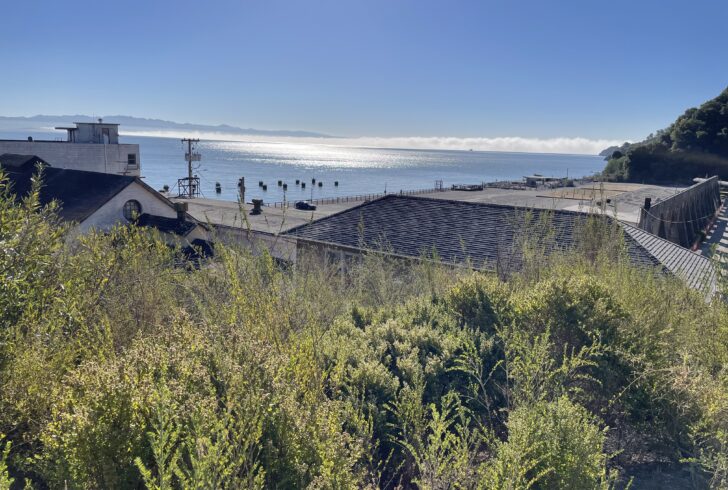
The Stone Living Lab's Co-Director Katie Dafforn presents to the Living Seawalls workshop in San Francisco.